
What makes someone a poacher? While the term often brings to mind someone deliberately breaking hunting laws, the reality can sometimes be far more complicated. This article explores real experiences involving game wardens, hunting regulations, honest mistakes, disputed citations, federal charges, and the consequences of being publicly accused of poaching. From an accidental elk harvest to questions surrounding outfitting permits and public accusations, the article encourages hunters and the public to look beyond the label and consider the full facts before passing judgment.
Highlights
- Poaching accusations are not always as black and white as they may initially appear.
- Honest mistakes can sometimes result in serious consequences for hunters and outfitters.
- Game wardens and prosecutors, like anyone else, can make mistakes.
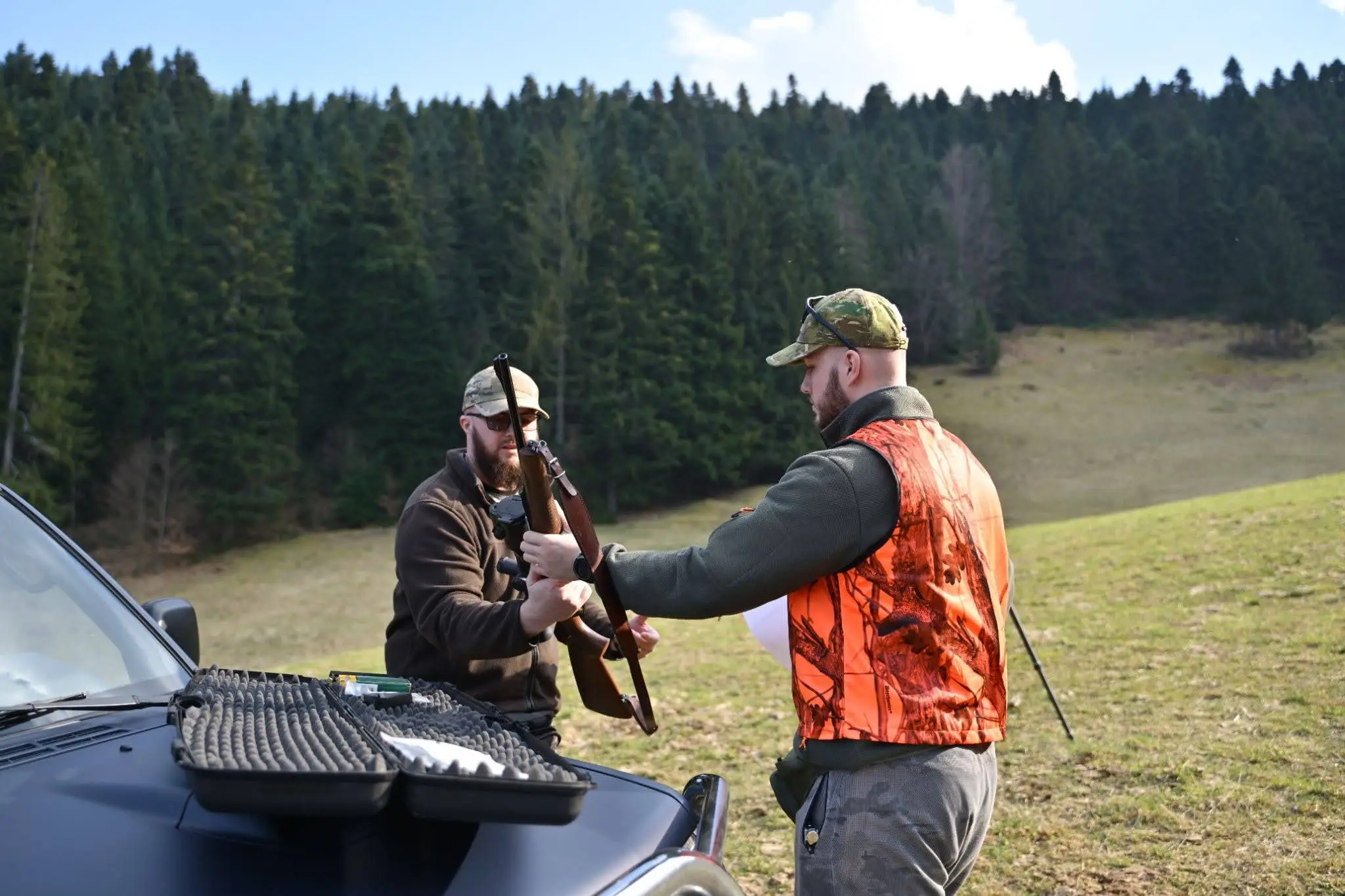
What is poaching and who is considered a poacher? The term poacher immediately conjures up a mental image of a redneck in a jacked-up truck hunting out of season, spotlighting at night, shooting from the road and trespassing. It is easy to hate this person, but when you view all possible potential transgressions to be considered a poacher, black and white can turn to shades of grey in a hurry.
I have seen people with guns do terrible things just to get their hands on a trophy rack. I’ve also seen innocent people make mistakes that cost them dearly. Trying to discern between these extremes are game wardens trying to decipher what happened and how to deal with the situation. It is important to realize that these game wardens are human and make mistakes like the rest of us. The difference is they usually have the law on their side.
A few years ago, I had an old Vietnam vet who had terrible hearing, and he couldn’t see very well. We snuck within about 80 yards of a group of elk. Before we got close to the herd, I told (shouted at) the hunter in his good ear that he could not talk loudly once we got close or the elk would run away. There was a 5-point bull with about 20 cows in the bunch, and they were grazing in a burn underneath us. The bull finally came into the open and all the cows were milling around in the thick, burned trees. I signaled to the hunter that the bull was there. He looked through his scope, pulled the trigger and, you guessed it, a cow came rolling down the hill. I’m not sure how a blind, deaf guy could find a cow in the trees, but he managed to do it.
We quartered her up, packed her on the mules and as soon as we reached cell service, I called the local game warden to let him know we were bringing in a cow without a tag. He met us at my house and listened to the story. At the end, he wrote the guy a certificate that allowed the hunter to keep the cow meat and take it home to his veteran buddies. This is how good it can be.
A few short years later, one of my guides who was test driving his new ATV, tried to put out a bear bait for us in the spring. The snow was still deep, and he could not get up the mountain, but he did run into a new, young game warden who was driving his motorcycle. The road was washed out so neither guide nor game warden was able to drive a full-size vehicle. When he got back, he told me that he felt very uneasy about his dealing with this warden. We were doing nothing wrong, so I was not concerned at the time. A few months later, after we were done bear hunting but before the season was closed, we received a call from the warden wanting to meet with us. Two game wardens came to the house and wrote me a citation for having a bear bait too close to a road. I told them the road was not passable to a full-size vehicle and that the bait was completely legal. They assured me the road had been fixed and that my bait was now illegal. The young warden told me that because I was an outfitter, I should be held to a higher standard of the law. When we went to court, the game warden and prosecuting attorney produced pictures of the game warden’s pickup parked on top of the recently maintained road. It was ironic that the game warden and prosecuting attorney seemed to be the only ones who knew the road had been fixed. The forest service had not fixed the road or authorized it.
When this court case was over, I filed a formal complaint against the warden. The timing and knowledge of when the road was fixed coupled with him parking his vehicle and taking a picture on that portion of road seemed highly suspect. I later received a call from the chief of enforcement who told me he had done a lengthy internal investigation and found no wrongdoing from his employee.
That game warden has since moved on, and the prosecuting attorney has since been barred from practicing law in Idaho. Sadly, both instances could be considered poaching.
Experience has taught me a ruinous combination is young, aggressive game wardens coupled with an overzealous prosecuting attorney. One can keep the other in check but if both are trying to make a name for themselves, you had better run for the woods or be prepared to fight. Unfortunately, I’ve never been a very fast runner.
More recently, my neighboring outfitter was given a citation for operating on National Forest. His permit was for BLM. In the past, outfitters had requested and been granted special use authorizations from the Idaho Outfitters and Guides Licensing Board that allowed them to operate one-time controlled hunts in unlicensed areas. The application had been submitted but the permit had not been issued. In the outfitting industry, we are accustomed to government being slow to issue permits. Government shutdowns, lack of manpower or just the wrong permit administrator can cause delays.
There were many factors involved and the boundary line between forest and BLM is blurry depending on whether you follow onyx or the physical 5-strand barb wire fence. What was unusual was that IDFG bypassed the Idaho Outfitters and Guides Licensing Board and went straight to the US Fish and Wildlife Service so they could make this a felony. The outfitter was written a citation using the Lacy Act. Because his attorney fees grew so large, he could not afford to defend himself against the federal government and after a few years, he finally pled guilty. The irony? The Lacy Act was written in the days of market hunting and is based on game laws that are broken. In this case, no game laws were broken. The only broken law was a trespass from BLM onto the forest but that did not stop IDFG from pursuing a felony to get more leverage against the outfitter. This outfitter lost his license and even though he did his job well, he is no longer in business.
Worse yet is how social media portrays individuals in a bad light before they ever have their day in court. Currently, an Idaho fish and Game commissioner has been charged with poaching. Social media Influencers use hype and borderline misinformation to get followers. Even though it is not ethical, social media has convicted this guy before anyone has heard his side of the story. Salem Witch Trials have nothing over Facebook and if a game warden makes an accusation, it must be true.
Recently, the Idaho Statesman had a commentary about how Governor Little should demand this commissioner’s resignation because of the accusations against him. I feel this would set a dangerous precedent. The commission is set up to oversee the department. If the department only needs to make accusations against a commissioner to render him ineffective, in essence, the department will have no oversight. This cannot be allowed to happen.
The next time you hear that someone is a poacher, stop and ask yourself what the person did. Was he/she convicted or is it just accusations? Did they do this deliberately or could this have been a reasonable mistake? Whether this commissioner tried to do some very bad things, the game warden made some bad judgement calls or there were just mistakes made from both sides, this image is not good for the face of the hunting industry. I encourage folks to reserve judgement until all facts are put forward.