
Travis Bullock, owner of Mile High Outfitters, outlines Idaho’s controlled hunt process, key application strategies, tag limitations, and the changing dynamics impacting elk, deer, and pronghorn hunting.
Highlights
- Idaho’s controlled hunt system requires strategic decisions. Hunters must choose between applying for limited draw tags or securing over-the-counter options, especially with wait periods and fast sellouts impacting availability.
- Opportunities are shifting across species and rifle/archery hunts. Pronghorn rifle tags have become significantly more limited, while archery opportunities have expanded, reflecting broader changes in wildlife management and hunter demand.
- Access and hunting conditions are evolving in Idaho. Increasing population, private land access challenges, and wildlife behavior changes due to predators are reshaping where and how hunters find success.
May is the month to apply for elk, deer, and pronghorn in Idaho. If you did not apply for trophy species, you might as well throw your name in the hat. Most elk and deer tags sold in Idaho are sold over the counter, which means, as a resident, you can just purchase the tag without going through the lottery system. But most trophy hunts and all pronghorn tags are sold through a controlled lottery system for both residents and non-residents. There are a few exceptions to the elk and deer-controlled hunts, such as landowner tags and, of course, outfitter allocation.
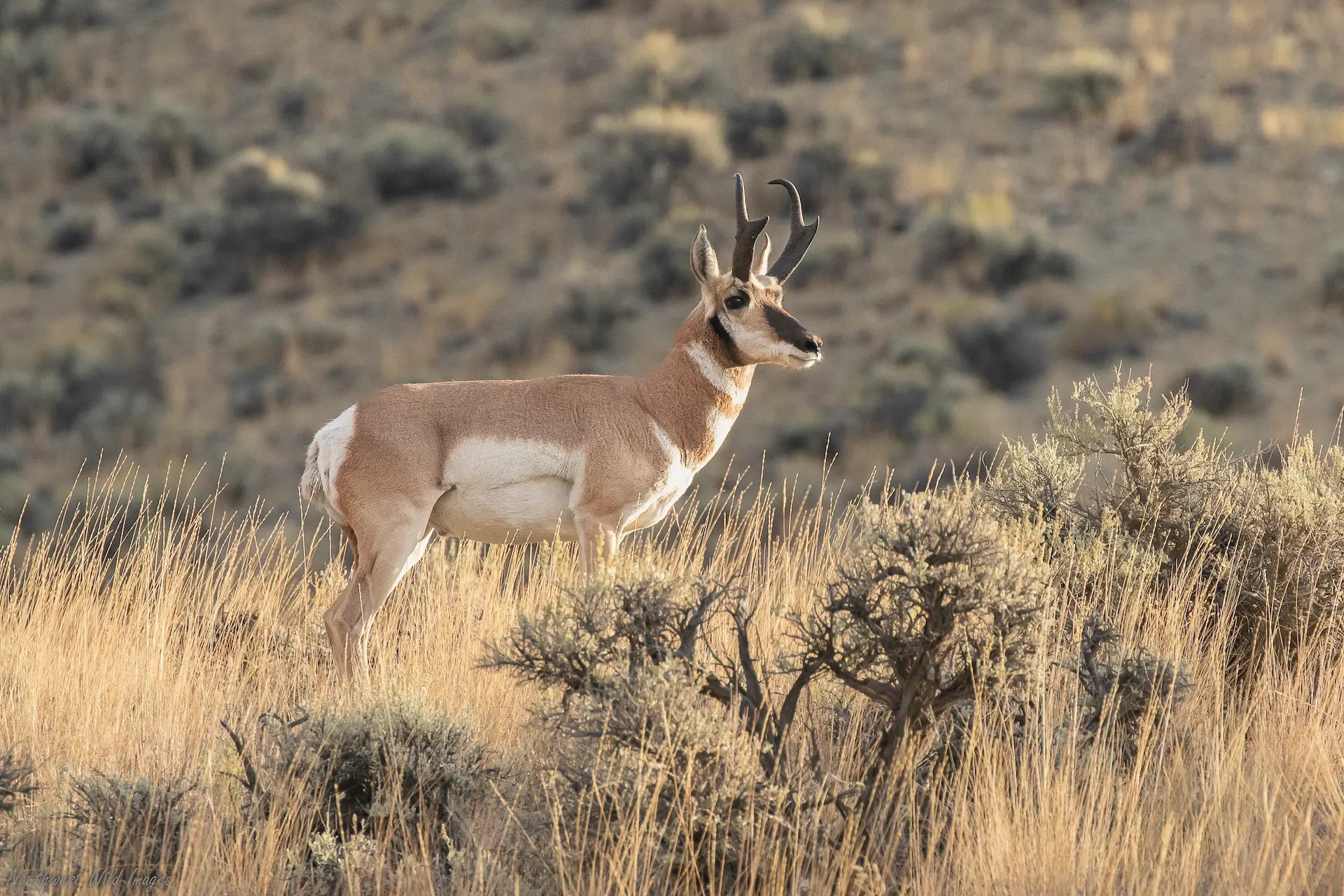
Pronghorn opportunities have changed over the years. I drew my first pronghorn tag when I was 16 years old. There were 75 tags in the unit, and there were about 100 applicants for an any-weapon season. Today, that same unit allows only 10 tags for rifle hunting, but archery is an unlimited controlled hunt, which means that, if you apply for the archery tag, you are guaranteed the tag. Idaho has allowed more opportunities for archery hunters than existed 30 years ago, but rifle hunting opportunities for pronghorn have decreased.
If you applied for trophy species, you are not allowed to apply for elk, deer, or pronghorn. This is meant to keep more favorable draw odds, and when you compare Idaho to neighboring states, it works. Also, you should keep in mind that if you apply for an elk tag and don’t draw, you need to wait 5 days to purchase an over-the-counter zone tag. Some zones are very popular because of their proximity to major cities, larger elk numbers, or access. These zones sell out sometimes within a matter of minutes. With the 5-day waiting period, chances are that if you do not draw the tag you applied for, those zones will be sold out before the 5-day waiting period is over. This forces you to make the decision. Do you apply for that special elk tag in the controlled hunt that you probably won’t draw or do you just pick up your favorite back-up tag and forego the draw?
For residents, there is no 5-day waiting period for deer because there is no limit to the number of over-the-counter deer tags; however, that is probably going to change soon. Idaho is growing at a fast pace, and the number of resident deer tags sold in Idaho has increased drastically over the last decade. There seems to be a grassroots feeling that, in order to save our trophy deer hunting, things are going to have to change. What kind of change? Your guess is as good as mine. The overall feeling is “reduce the other guy, but don’t reduce me”.
What else has changed? Big game habits. Before the reintroduction of wolves, central and northern Idaho were known worldwide for their elk. The big burns from the early 1900’s in northern Idaho created some unbelievable elk habitat. The Lolo, Selway and Salmon River country held large numbers of elk.
Once the wolf reintroduction happened, Idaho’s big game landscape changed drastically. Overall, elk numbers have gone down statewide. Those elk that are in Idaho have changed much of their home range. Many elk have moved onto private property where they feel safer from wolves. This has created problems. Elk eating corn fields, alfalfa, and ruining potato fields are not welcome in a state where agriculture is the largest source of revenue. Let’s face it, we all like to view wildlife, but if you are in the business of raising French fries, you’re probably going to get tired of watching your crops trampled by a bunch of displaced elk.
The Idaho Fish and Game is responsible for the management of those elk, and if there is crop damage, it falls to the IDFG to get those elk off the private ground and/or compensate the landowner.
Hunters are also frustrated because the elk, for the most part, that used to be hunted on public land, are now on private grounds that may or may not have access. Some landowners allow hunting, but Idaho’s growing population creates a growing demand for access, and more land is being shut down to the public.
Many landowners have found value in wildlife on their property and now charge a fee to lease the property for hunting rights. Leasing hunting rights on private land has three positive outcomes. First, if hunters are hunting private property, it will force that game off the private land onto public land, where more hunters have access to wildlife. Secondly, if hunters are on that private land, there are fewer hunters overcrowding public land. Last, the extra revenue generated by the leasing of private property may be the difference between the landowner making his mortgage payment or being forced to sell to a developer. I hope we all agree that once the land is sold to a developer and turned into a subdivision, we all lose.
Many landowners allow hunting, but do not have time to answer the phone for everyone wanting access. They also get tired of picking up trash, shutting gates, getting their cattle back in, or getting vehicles out of the mud. The obvious answer is to allow an outfitter to manage this land. Along with the leasing of private property, this creates jealousy, but it does keep the land open for hunting.
The worst-case scenario is when someone buys a property, then locks out all hunting or develops it. We all hate to see this, but it is happening more and more all the time. I don’t see Idaho reducing its growth any time soon, so I guess we are all going to have to get used to sharing our resources a little more. Better get comfortable folks, because your neighbor is about to get a little bit closer, and we are all going to continue to get a smaller piece of the pie. Fortunately, the pie in Idaho is still pretty sweet!