
Travis Bullock, owner of Mile High Outfitters, reflects on Idaho’s bighorn sheep hunting landscape, detailing how declining populations, increased demand, and evolving draw odds have reshaped opportunities for today’s hunters.
Highlights:
- Draw odds have become far more competitive. What was once as favorable as 1-in-4 odds has shifted dramatically, making it unlikely for most hunters to draw more than once in a lifetime.
- Bighorn populations declined sharply after the 1980s. Once thriving herds in Central Idaho faced major setbacks from disease, reducing lamb survival and tag availability, though populations are now gradually rebounding.
- Modern hunters are more prepared and committed. Today’s applicants invest more time, money, gear, and physical training, recognizing that drawing a sheep tag may be their only opportunity.
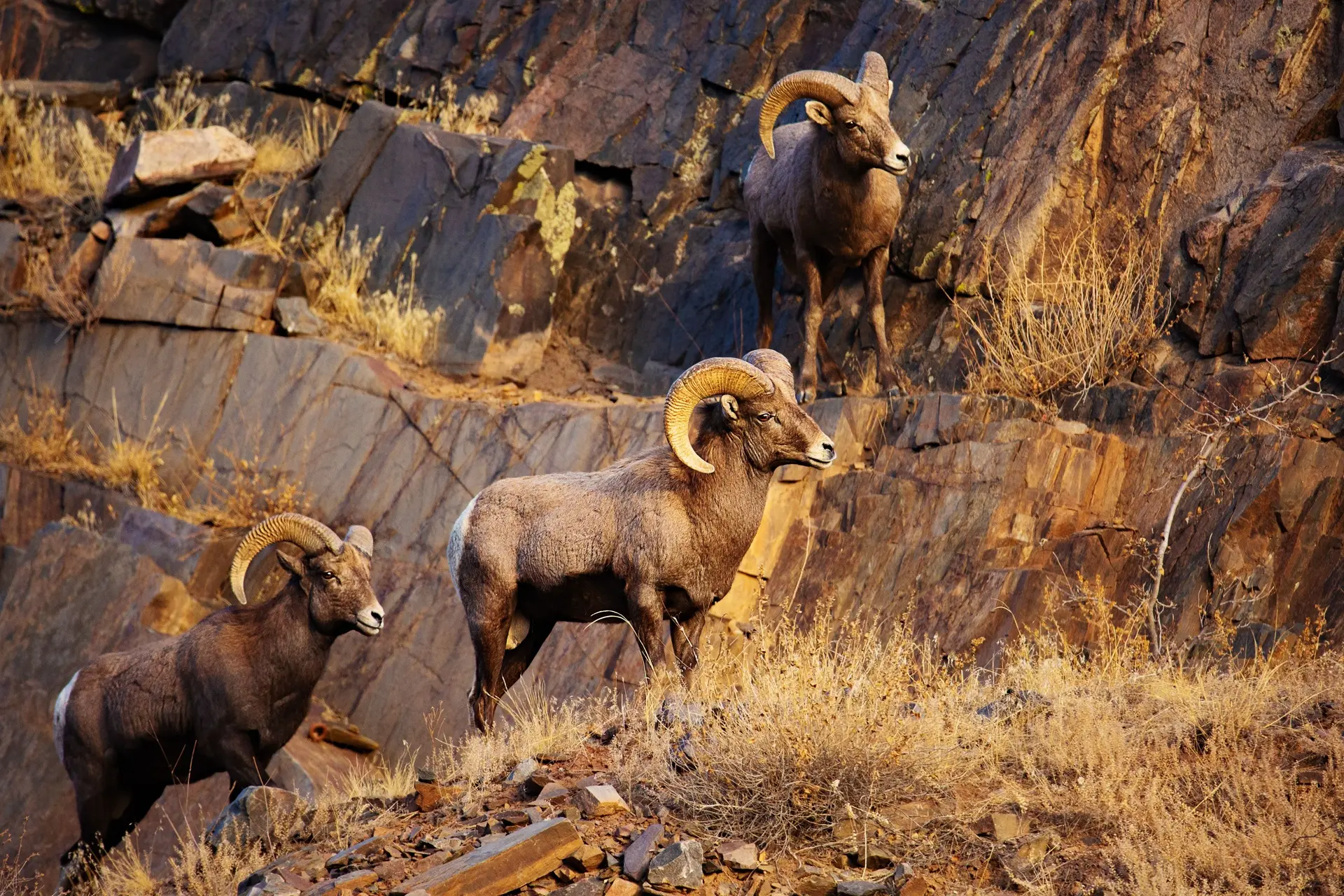
When I was ten years old, dad told me he would help me apply for Rocky Mountain Bighorn Sheep once I turned twelve years of age, which at the time was the legal age to begin hunting in Idaho. We were hiking from Big Sheepeater Lake to Little Sheepeater Lake in the Frank Church Wilderness just west of Chamberlain Basin. We were on our annual horseback family fishing trip, and Dad and I were exploring new country while my mom and younger brother stayed back at camp. I was having a hard time keeping pace. Looking back, Dad was probably just trying to keep me enthused so I would stay with him. I was a fat little kid. If I’d have known what my first ram tag would bring me, I probably would have taken up knitting instead.
I finally applied for the Idaho trophy species lottery when I was seventeen and drew a Unit 26 Rocky Mountain Bighorn tag on my first try in 1987. Back then, Big Creek had an early season in the month of September with ten tags and a late season in the month of October with five tags. With only twenty applicants for the October season, the odds of drawing the late tag were one in four. The odds of drawing the early hunt were better. At the time, with just over two hundred sheep tags, Idaho allowed the most sheep opportunities since they had gone to controlled hunts 20 years prior. The Owyhee’s were producing good populations of California Bighorns from their reintroductions from the 60’s, and Central Idaho was pumping out Rocky Mountain Bighorn lambs in record numbers. Things looked great for Bighorns in Idaho. Then they didn’t.
By the late 80’s and early 90’s, lambs started dying. Within a few short years, ram tags were curtailed drastically. We were told it was lungworms and liver flukes. Today, the culprit sounds more sophisticated, and the short term is Emovi, which is short for- lambs keep dying. The fish and game have brought all hands-on deck and have spent way more on sheep research than the revenue produced by a resident sheep tag. Vaccinations don’t seem to work, but taking out the sick ones that carry the disease is helping. Today, Central Idaho is not producing as many rams as in the mid to late 80’s, but we are on the increase. Tag numbers for the Rocky Mountain Bighorns have slightly increased as well.
What else has increased? Demand for Idaho sheep tags. In 2025, there were thirty-six applicants for one tag in unit 26 on the late hunt. Idaho’s growing human population, membership-driven application services educating hunters on where to apply, non-resident lifetime licenses and just an overall interest in wild sheep brought on by the Wild Sheep Foundation have caused more hunters to pursue their quest for a trophy ram.
Hunters have also evolved into better killers in my opinion. In 1987, I only saw one hunter who took a ram on the early hunt. Most hunters just weren’t prepared for the ruggedness of Central Idaho. The mentality back then was that if you didn’t kill a ram, you would just apply again and draw another tag. Today, that thought process has changed. Most hunters know that if they draw a bighorn tag, it will probably be their only chance. Successful applicants tend to put more effort, time, and money into their coveted tag. Modern lightweight gear, technical shooting capabilities, and better physical fitness seem to be the norm for today’s modern sheep hunter. What I find interesting is the reduction of horses amongst non-outfitted hunters. The cost of owning stock, coupled with the lack of trail maintenance over the last four decades, has forced most hunters to abandon the tradition of a horseback hunt in the Frank. It is kind of sad to see the tradition dying out. I started out as a little kid learning to ride horses in Idaho’s back country, but today, you can count on one hand each year the number of private hunters, fishermen, and campers that ride stock through the Frank. I guess the last thing you want to do as a non-outfitted hunter during your vacation is to clear trail.
Over the years, I have been blessed with many opportunities here in Idaho. Drawing a sheep tag at a young age gave me a taste, and my drive for other trophy tags followed. In 2002, I drew a goat tag. I drew a California sheep tag in 2008, and in 2019, I rounded out my Idaho trophy species collection with a Shiras moose tag. Dedication is an integral part, but I’ve also been lucky. The odds of drawing the goat and moose tags were about one in four, and I drew the second time I applied each time. The odds of drawing the California tag were one in fifteen and I drew the second or third time I applied. In my generation, odds were that if you dedicated yourself to the application process, you would eventually draw all four trophy species. Today, those odds do not fall in your favor. The reality- you will be lucky to get one or two Idaho trophy species tags in your lifetime. Idaho also tries to keep the draw odds favorable by not allowing anyone applying for trophy species to apply for elk, deer, or pronghorn. They force you to choose, and if you choose to apply for trophy species, you can only choose one out of the four species.
With the number of California Bighorns dying off and the growing number of new residents entering the application process, draw odds are getting tough for sheep. Still, you can’t draw if you don’t apply. I’ve found that you should apply, hope for the best, and have a backup plan in the likelihood that your dream tag does not materialize.
So why was my first sheep hunt so terrible? Well, after I shot my ram in the bottom of a canyon, my friend and I were caping it out and deboning it. He was wearing tennis shoes, and his feet were getting cold after crossing the creek. We built a fire to dry out his shoes. We put water on the fire when we left, but it was a dry year. There were decades of dry duff built up under the rocks, so even though the fire looked dead, it smoldered in the rocks and later popped up. Although the fire was only a few feet wide, it made a bunch of smoke, so firefighters jumped on it. The outfitter’s insurance had to pay the bill. It was a good learning lesson, and I’ve only started three or four other forest fires since then. I was never a fast learner.